Electronic Payments Intersecting With Innovative Gaming Techniques in Smartphone Casino Reward Programs
Blake Vogel · Sep 3, 2026
Electronic Payments Intersecting With Innovative Gaming Techniques in Smartphone Casino Reward Programs
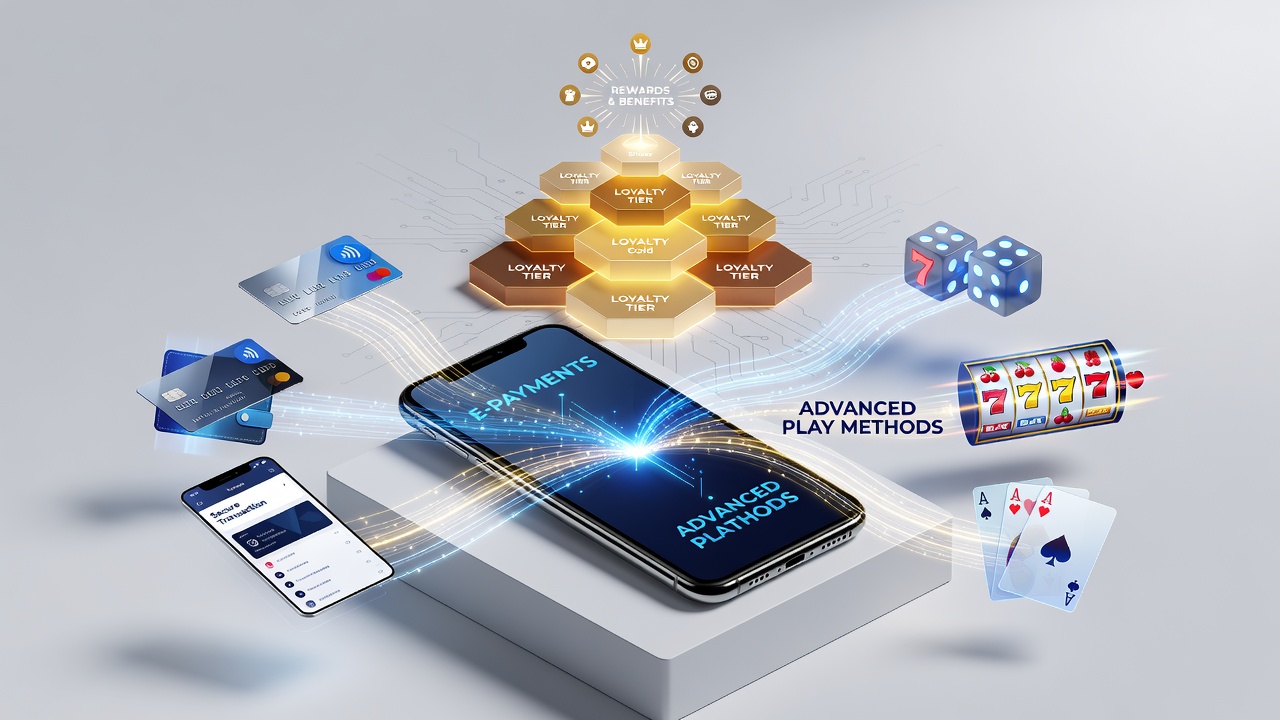
Data from multiple jurisdictions indicates that electronic payment systems now serve as entry points for players seeking access to tiered loyalty benefits on mobile platforms, where deposits trigger eligibility for advanced play formats such as multi-hand tournaments and live dealer sequences. Observers note that these connections have strengthened since early 2025, with operators aligning transaction logs directly to reward algorithms that track play volume, frequency, and session complexity.
Mechanics of Digital Transactions in Mobile Casino Environments
Electronic wallets and instant transfer services process deposits that feed into centralized player accounts, and these accounts automatically log activity toward loyalty milestones while operators use the same data streams to unlock specialized game modes. Research indicates that systems often require minimum transaction amounts before granting entry to invite-only events, yet the integration allows seamless movement between standard reels and high-stakes table variants without separate registration steps. Studies reveal that players who route funds through verified channels experience faster progression through membership levels because transaction records provide verifiable proof of engagement volume.
Operators maintain partnerships with payment providers that embed API connections capable of flagging qualifying activity in real time, and this setup supports features where larger or repeated transfers correlate with bonus multipliers applied to tournament entries. Figures from state regulatory filings show consistent growth in mobile transaction counts through the first half of 2026, with particular spikes observed during promotional periods that tie deposits to exclusive play sessions.
Linking Payment Activity to Advanced Play and Reward Pathways
Advanced play methods encompass structured challenges, live dealer multi-hand formats, and progressive tournament brackets, all of which draw participants based on accumulated loyalty points derived from prior electronic transactions. Those who have examined platform architectures explain that payment histories determine initial seeding into brackets, while ongoing deposits can elevate status mid-event and grant additional entries or enhanced prize pools. Data shows that mobile users who combine e-wallet funding with extended sessions in these formats reach higher tiers more rapidly than those relying on slower methods.
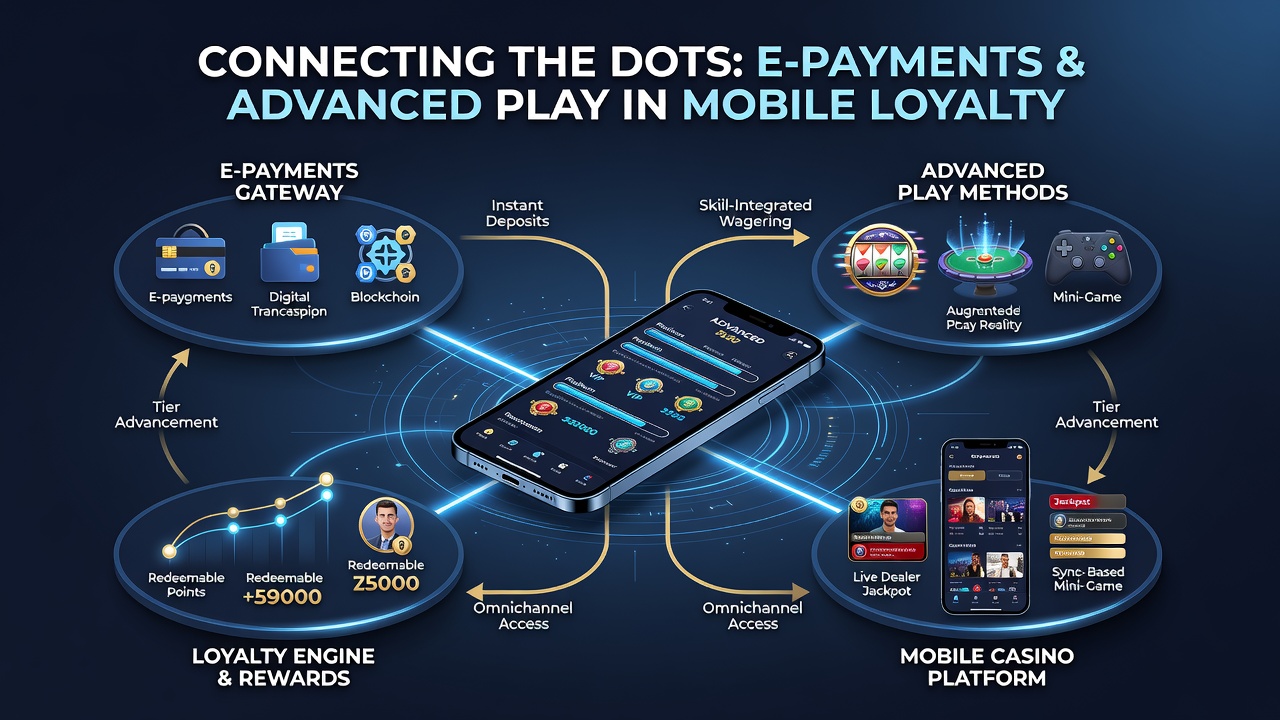
September 2026 reports from several North American regulators documented continued expansion in mobile loyalty participation, with transaction-linked rewards accounting for measurable portions of overall engagement metrics. Industry analyses connect these patterns to improved retention rates, as players receive targeted invitations to advanced formats based on their funding consistency. One documented approach involves tiered qualification where cumulative electronic transfers over a rolling period determine access to private leaderboards that feature live elements and variable stake levels.
Regional Regulatory Context and Platform Adaptations
Regulatory bodies across different regions track how payment integration influences loyalty structures, and the New Jersey Division of Gaming Enforcement publishes periodic summaries that detail transaction volumes feeding into reward programs. Similar oversight in other jurisdictions reveals that operators must maintain transparent logs linking deposits to play-method eligibility, which helps ensure compliance while supporting the technical bridges between funding and advanced gaming options. Academic reviews from Canadian research institutions have examined these linkages through anonymized datasets, highlighting correlations between payment method diversity and participation depth in mobile loyalty ecosystems.
Platform updates rolled out during 2026 incorporated additional verification layers for electronic transfers, allowing loyalty systems to differentiate between standard deposits and those earmarked for tournament circuits. Observers note that such refinements reduce friction for users moving between casual play and competitive formats, since the same account balance serves both purposes without manual intervention.
Conclusion
Electronic payment flows continue to underpin access and progression within mobile casino loyalty frameworks that incorporate advanced play techniques. Available figures and regulatory summaries demonstrate measurable ties between transaction records and qualification for specialized gaming events, with operators refining these connections to maintain engagement across devices. Future platform iterations are expected to build on existing data pathways as mobile usage patterns evolve.